
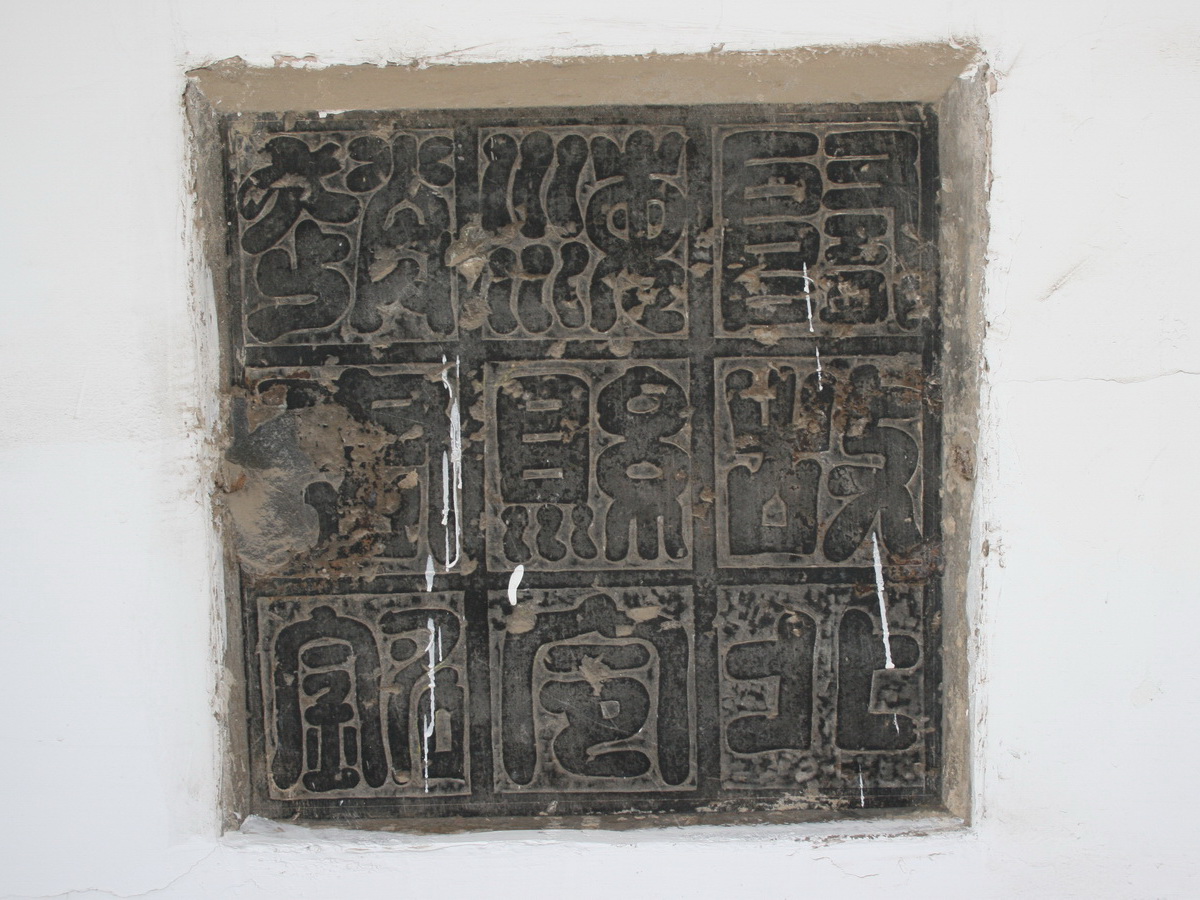
 A remarkable stone inscription, tentatively dated to the Northern Wei Dynasty (386–534 AD), has been uncovered on a natural granite boulder in the Mongolian grasslands. This find offers one of the most significant insights into ancient Chinese imperial campaigns, shedding light on frontier governance and cultural exchange during a transformative period in China’s history.
Discovery and Identification
The inscription, titled Stele of the Emperor’s Northern Tour in elegant seal script, was discovered during a joint survey by the Inner Mongolia Institute of Cultural Heritage and Archaeology and local heritage authorities. If confirmed, it would become one of the few known imperial commemorative inscriptions from the Northern Wei Dynasty, highlighting interactions between the imperial court and steppe communities.
Physical Features and Content
Situated near Ulanqab in the Inner Mongolia Autonomous Region, the inscription measures 1.9 meters wide by 2.6 meters high. Despite centuries of exposure to harsh steppe conditions, basalt inclusions in the granite preserved over 50 legible characters. Key terms include dai (dynasty), yiyue (first month), and zhuguozixiyushang (sons of various states, merchants from China’s Western Regions). Notably, the term ‘Mofu’ appears multiple times, referring to tribal leaders of the Eastern Hu lineage, suggesting the stele commemorated imperial interactions with frontier peoples.
Imperial and Military Context
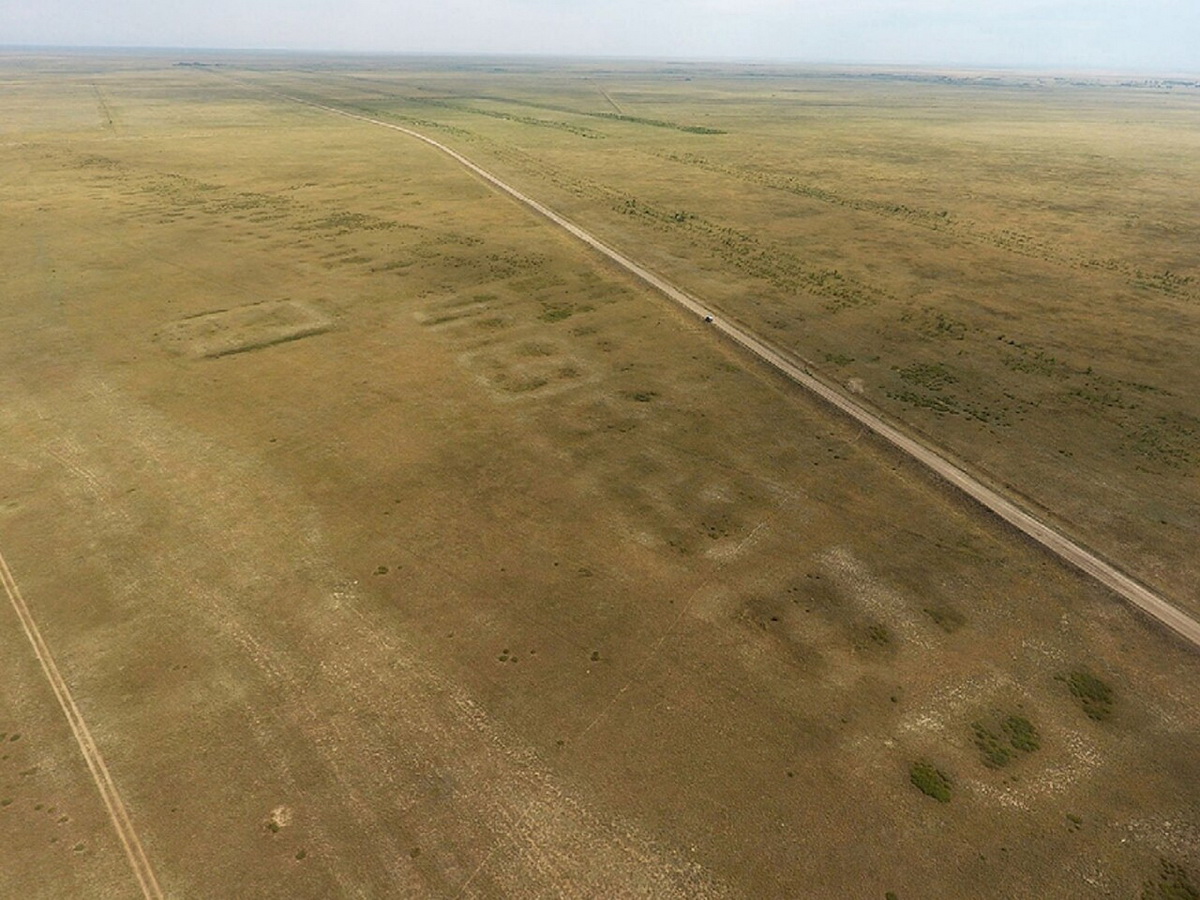
The stele’s location near Northern Wei-era fortifications, including the Kliment Fortress, points to a connection with military campaigns on the northern frontier. Scholars cautiously link it to Emperor Daowu’s 399 AD northern expedition against the Gaoche tribes, documented in the Zizhi Tongjian. During this campaign, Emperor Daowu led forces across the northern frontier, defeating nearly 40 clans and returning south for a grand imperial hunt at Niuchuan, where other commemorative steles were created.
Northern Wei Stele Tradition
The Northern Wei Dynasty frequently commemorated major military campaigns with monumental inscriptions. Known examples include the Stele of the Emperor’s Eastern Expedition and the Ode to the Emperor’s Southern Gobi Expedition. If authenticated, the newly discovered Stele of the Emperor’s Northern Tour would be only the third confirmed imperial inscription from this era, providing rare insights into how the dynasty projected authority across vast territories.
Ulanqab: Strategic and Cultural Hub
Ulanqab, covering over 54,000 square kilometers, historically functioned as a strategic transport hub along the Tea Road, linking China with Mongolia and Russia. Archaeological evidence shows its long-standing cultural significance, from the Laohushan Culture (2700–2200 BC) to Neolithic rock art depicting hunting scenes and celestial symbols. During the Northern Wei period, Ulanqab’s location enabled imperial campaigns and administration, blending Xianbei nomadic traditions with Chinese governance practices.
Future Research Prospects
Ongoing analysis, including high-resolution digital scans and ink rubbings, will help researchers understand how the Northern Wei Dynasty integrated steppe political traditions with settled Chinese systems. The Stele of the Emperor’s Northern Tour offers a rare glimpse into military, political, and cultural strategies during one of China’s most formative historical periods.