
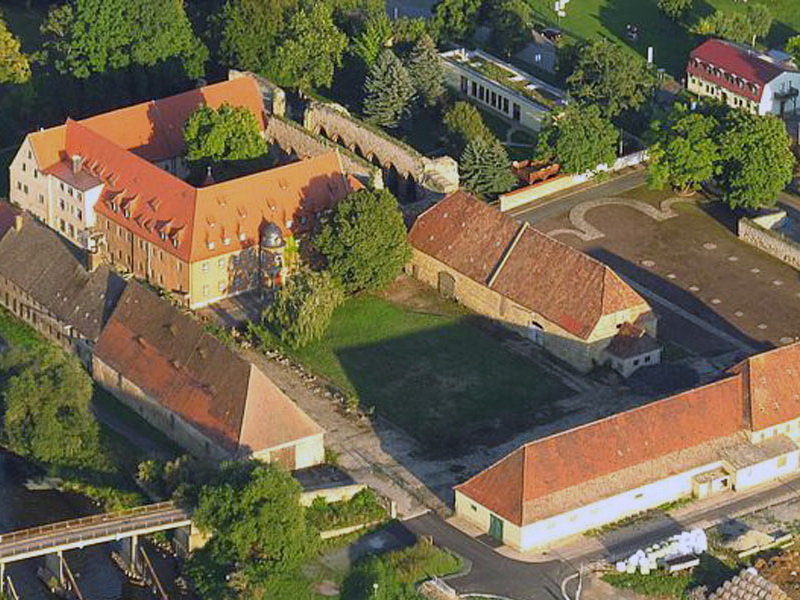
 Nestled in Saxony-Anhalt, Germany, Memleben Abbey has long captured the interest of historians and archaeologists. Modern excavations, ongoing since 2017, have begun to unveil the hidden layers of this Ottonian royal and monastic site, revealing structures and settlements that illuminate daily life and royal ceremonies from the 10th to the 14th centuries. Memleben was more than just a monastery; it was a royal center where Henry I passed away in 936 and Otto I in 973. In 979, Otto II and his wife Theophanu established a Benedictine abbey here, honoring the memory of their predecessors. Today, visitors can still see remnants of the monumental church from the 10th century alongside a 13th-century monastic church with a crypt, offering a glimpse of the abbey’s layered history.
Excavations have uncovered a stone structure to the northeast of the main church, predating the monumental building. Measuring approximately nine meters in width and aligned east-west, the building features a large western opening that may have once held two entrances. Rubble floors with traces of lime plaster hint at careful construction, and the later foundations of the monumental church cut through this earlier structure, confirming its precedence. Archaeologists suggest that it may have served as an early sacred or administrative building connected to the royal residence.
Further discoveries in the northern cloister area reveal foundations of a larger structure than previously thought. A rectangular base, deeper than the nave, was accompanied by ceramics, glass fragments, and a coin dating to the late 14th century. Scholars believe it could have been linked to the reburial of Otto I’s organs or to a reliquary, although its exact function remains a subject of study. Meanwhile, in the monastery garden, the footprint of a 10th-century church emerged, with altar substructures and floor layers of stone slabs and plaster. This small church was later replaced by larger buildings, yet the lime-plastered floor and stone altar base testify to its ceremonial use, possibly connected to the death of Henry I or early royal rites.
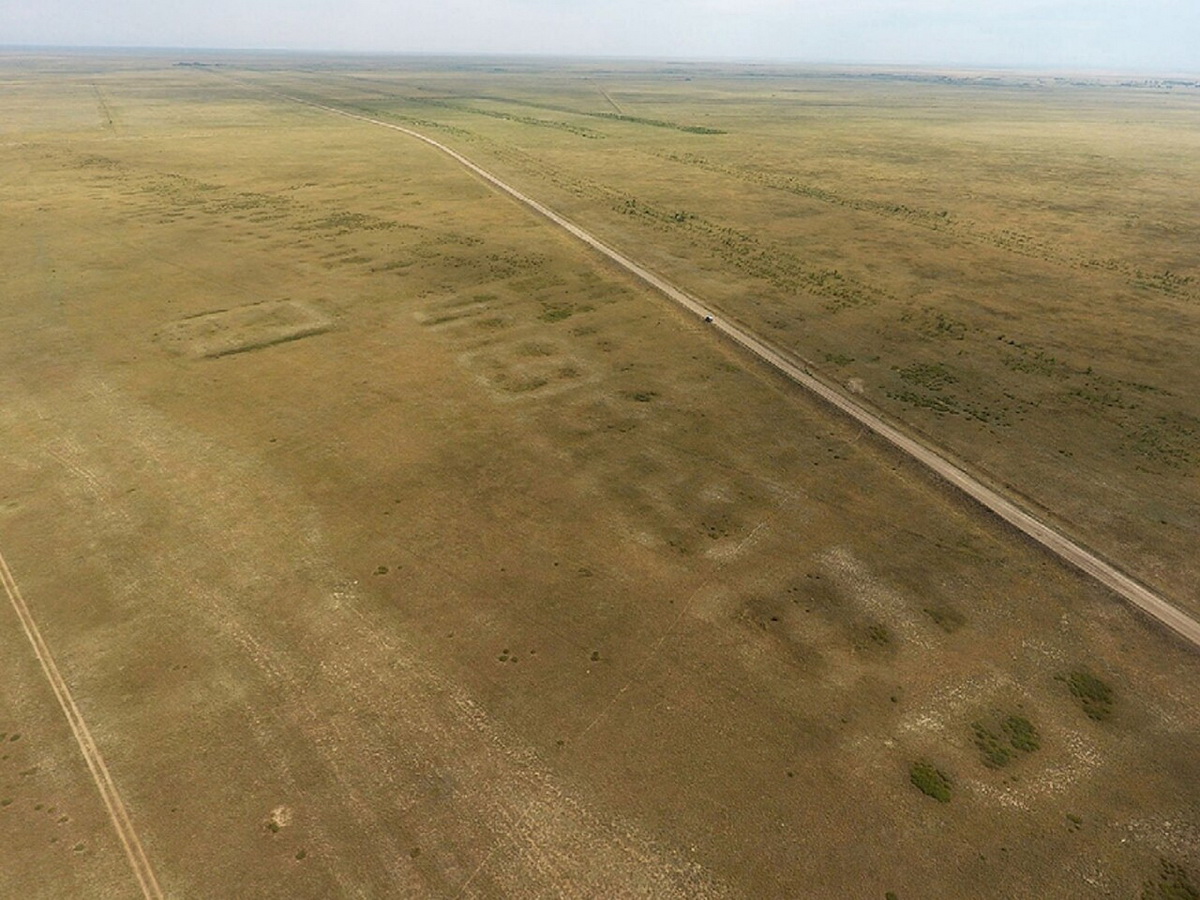
Beyond the river Unstrut, approximately 1.2 kilometers north of the abbey, a fortified settlement measuring roughly 240 by 170 meters has come to light. The site includes defensive ramparts, ditches, reinforced gates, a small church with a semicircular apse, and a stone residential building. Finds such as Slavic pottery, a brooch, medieval keys, pilgrim badges, and coins reveal continuous occupation from the 9th to the 14th century. These discoveries emphasize that the abbey was not isolated, but part of a network of fortified settlements that supported its social and economic activities.
The ongoing research is led by the State Office for Heritage Management and Archaeology of Saxony-Anhalt, with contributions from Martin Luther University of Halle-Wittenberg and Anhalt University of Applied Sciences. Students from Albert Ludwig University of Freiburg gain hands-on experience through fieldwork, while the Kloster und Kaiserpfalz Memleben Foundation provides essential funding and logistical support. Key figures include Prof. Dr. Felix Biermann, who directed the 2024 excavation of the fortified settlement, and Dr. Holger Grönwald, the field leader for the main abbey site. Their work has strengthened understanding of the abbey’s relationship with the Ottonian palace and highlighted the broader context of regional settlements.
These excavations reveal how royal, monastic, and local life intersected in medieval Saxony-Anhalt. While questions remain about the precise function of early buildings and burial sites, the evidence from the abbey and surrounding settlements paints a rich picture of social, religious, and economic activity in the region. Public engagement is central to the project: field schools train students, and the findings are gradually presented at the Memleben museum. As part of the Romanesque Road tourist route, the site attracts visitors eager to experience both the history and the ongoing discoveries firsthand.
Over the past decade, Memleben Abbey has emerged not only as a site of historical significance but also as a testament to the insights modern archaeology can provide. The uncovering of early buildings, a 10th-century church foundation, and the nearby fortified settlement allows researchers and visitors alike to understand the abbey’s role within a complex medieval landscape, bringing one of Germany’s most important Ottonian sites vividly to life.