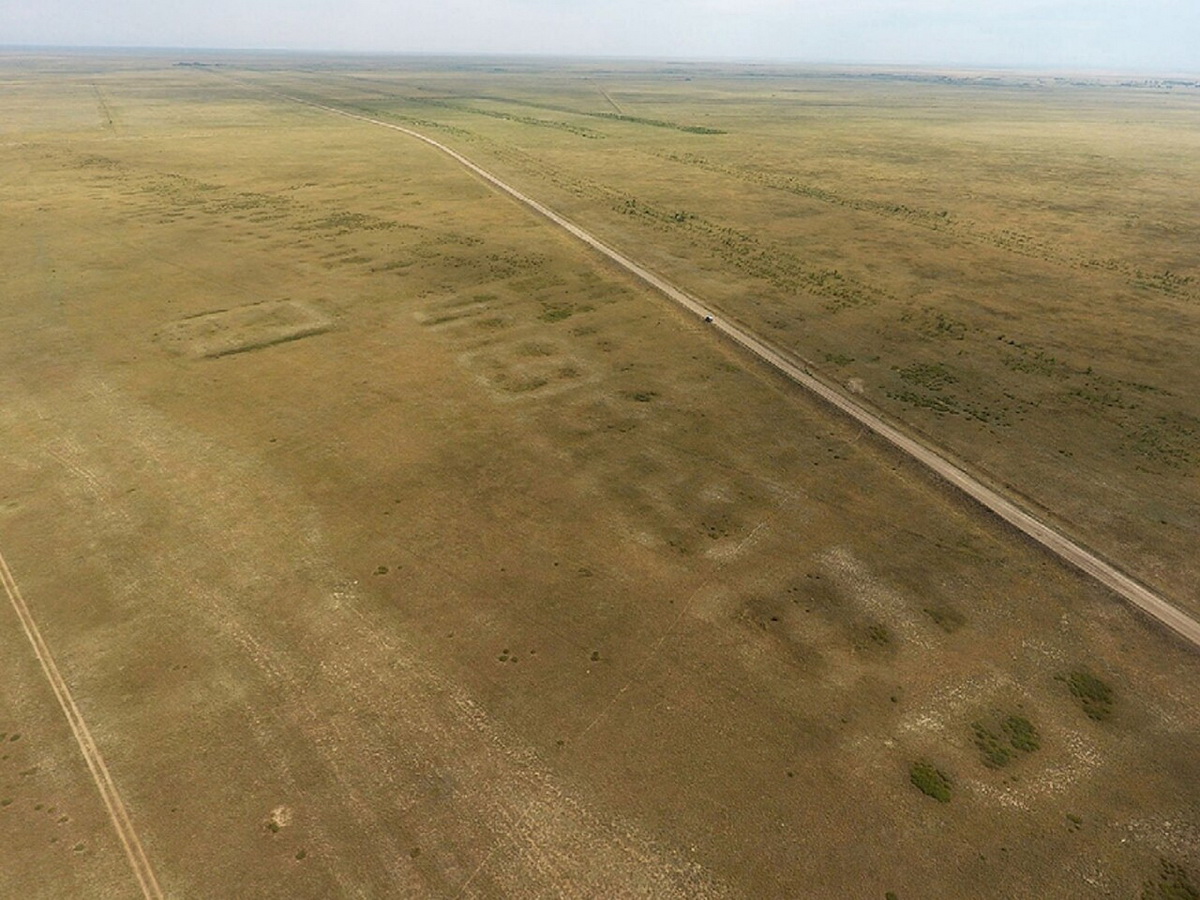

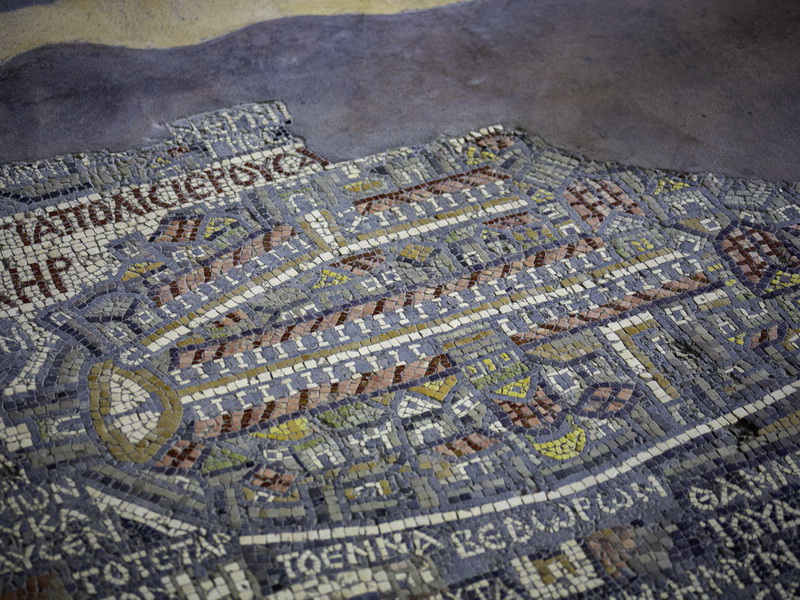
 Archaeologists in southern Jordan have successfully located Tharais, a long-lost Byzantine settlement depicted on the 6th-century Madaba Mosaic Map but hidden for over 1,500 years. This discovery provides fresh insights into early Christian communities and trade networks in the ancient Holy Land.
The excavation, led by Dr. Musallam R. Al-Rawahneh, Associate Professor of Archaeology at Mu’tah University, took place from 2021 to 2024 near the modern village of El-ʿIrāq in the Karak Governorate. Careful study of the Madaba Mosaic Map, housed in the Greek Orthodox Church of St. George in Madaba, guided the team to the site.
A Pilgrimage and Trade Hub Along Ancient Routes
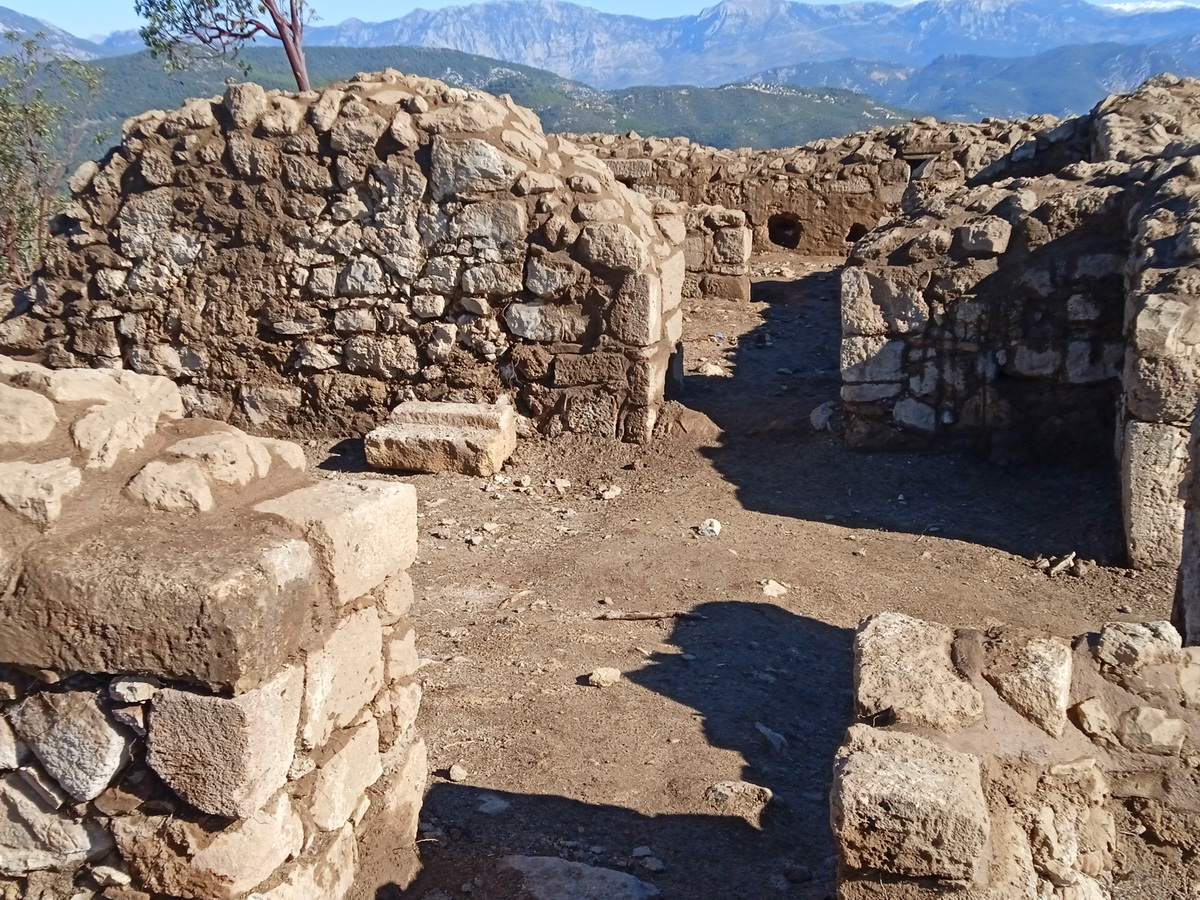
Tharais was more than a rural village. Archaeologists uncovered the remains of a Byzantine basilica-type church, including mosaic fragments, a stone doorway, and threshold stones. Its prominence on the map and the substantial church structure suggest it served both as a pilgrimage site and a commercial stop along trade routes connecting Zoar with central Jordan.
Thriving Community with Economic Independence
The site reveals a remarkably self-sufficient settlement. Finds include an olive oil press, a grape press, and a watermill, pointing to advanced agricultural and food processing practices. Greek and Latin funerary inscriptions dating from the 5th–7th centuries AD confirm the presence of a thriving Christian community.
Mapping the Past: Accuracy of the Madaba Mosaic
The rediscovery of Tharais underscores the precision of the Madaba Mosaic Map, which depicts 157 sites across the ancient Holy Land. Dr. Al-Rawahneh combined traditional surveys, historical records, and local knowledge to identify Tharais. The increasing presence of Byzantine pottery and building remains in the area provided critical supporting evidence.
Abandoned but Preserved Through Time
Tharais appears to have been abandoned by the 7th century, likely due to earthquakes, climate changes, and political transitions. Its preservation under sediment has left the remains largely intact. Artifacts from Roman to early Islamic periods, including pottery, stone tools, and glass, provide a detailed picture of daily life over centuries.
Modern Threats to Ancient Treasures
Urban expansion near El-ʿIrāq now threatens the site, emphasizing the need for its protection. Ongoing research by Dr. Al-Rawahneh promises to reveal further details about the settlement’s trade, religious practices, and everyday life.
The rediscovery of Tharais highlights the enduring value of ancient maps in modern archaeology, linking the Byzantine world depicted on the Madaba Mosaic Map with our understanding of early Christian communities in the region.